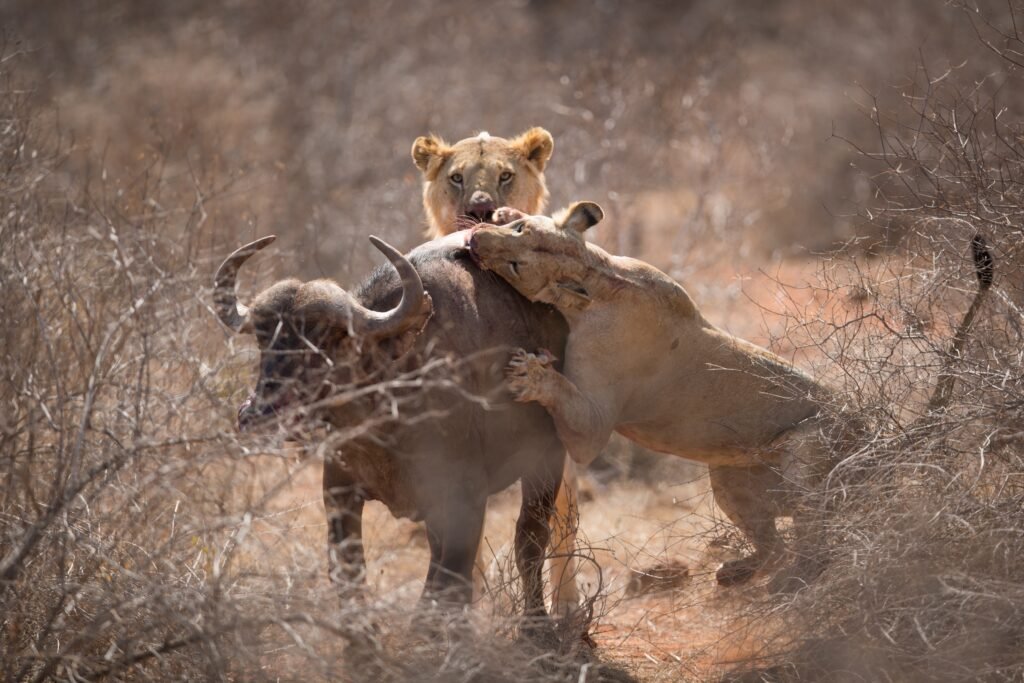
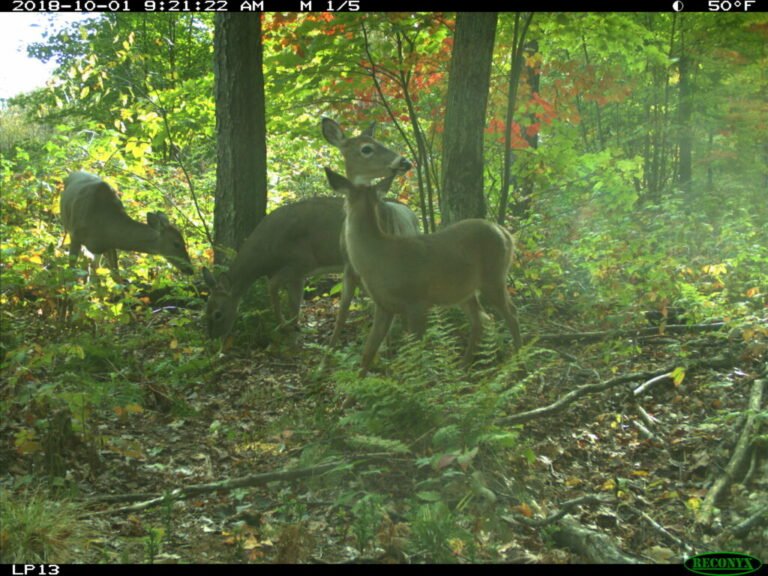
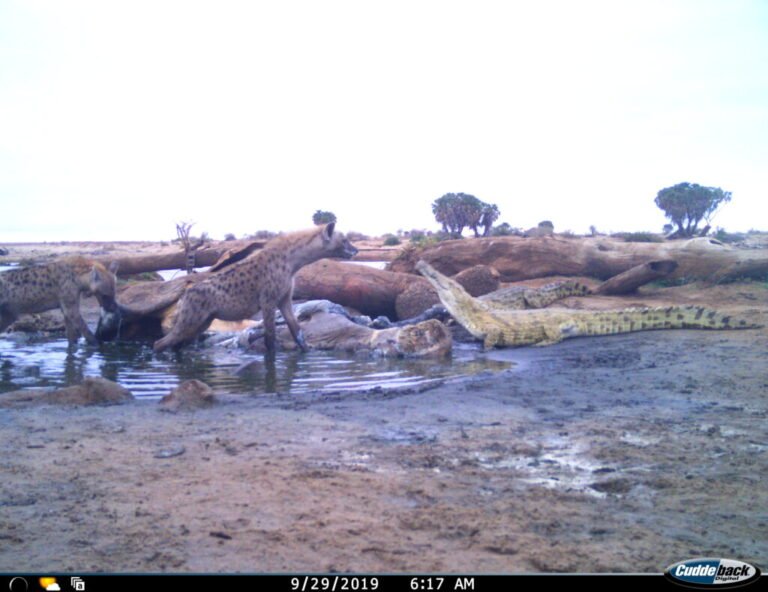
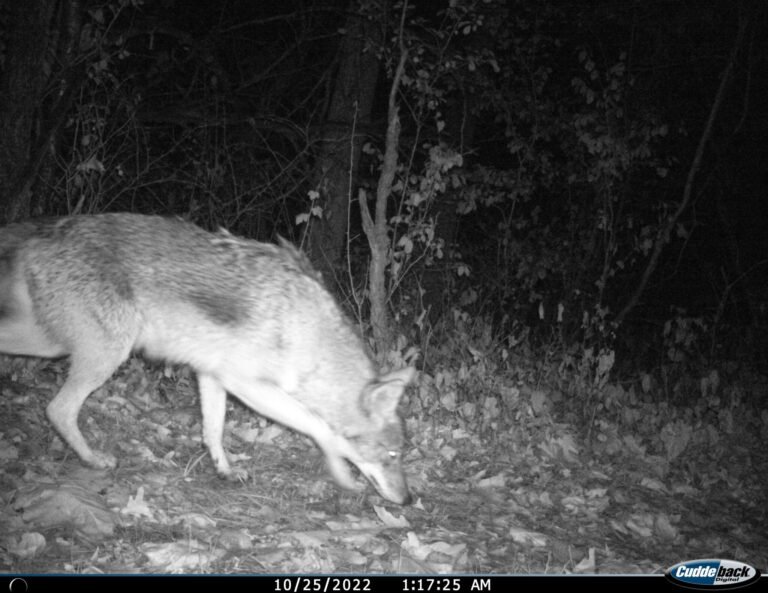
Predation as a force shapes trophic levels and is crucial for ecosystem functioning. Using apex and meso-carnivores as model systems, the CAB lab and collaborators investigate food habits from scats & feeding experiments, direct and indirect effects of predators on herbivores, spatio- temporal partitioning within predator guilds, the role of carrion bonanzas on scavenger communities, and how personalities affect predation behavior.
King E, Chakrabarti S, Lala F, Nyaga S, Waiguchu G, Chiyo P,
Kimaile J, Moller R, Omondi P, Morris A, Bump JK. 2024. The Lion’s Share: Implications of a carnivore’s diet on threatened herbivores in Tsavo, Kenya. Journal Oryx.
P.C: Tsavo Trust
Candler E; Chakrabarti S, Severud W, Bump JK. 2023. Eat or Be Eaten: Implications of potential exploitative competition between wolves and humans across predator-savvy and naïve prey populations. Journal of Ecology & Evolution.
Morris A, Smith I, Chakrabarti S, Lala F, Nyaga S, Bump JK. 2023. Eating an Elephant, One Bite at a Time: Predator interactions at Carrion Bonanzas. Food Webs.
Bump JK, Gable T, Johnson-Bice S; Chakrabarti S. 2022.Predator Personalities Alter Ecosystem Services. Frontiers in Ecology & Environment, ESA.
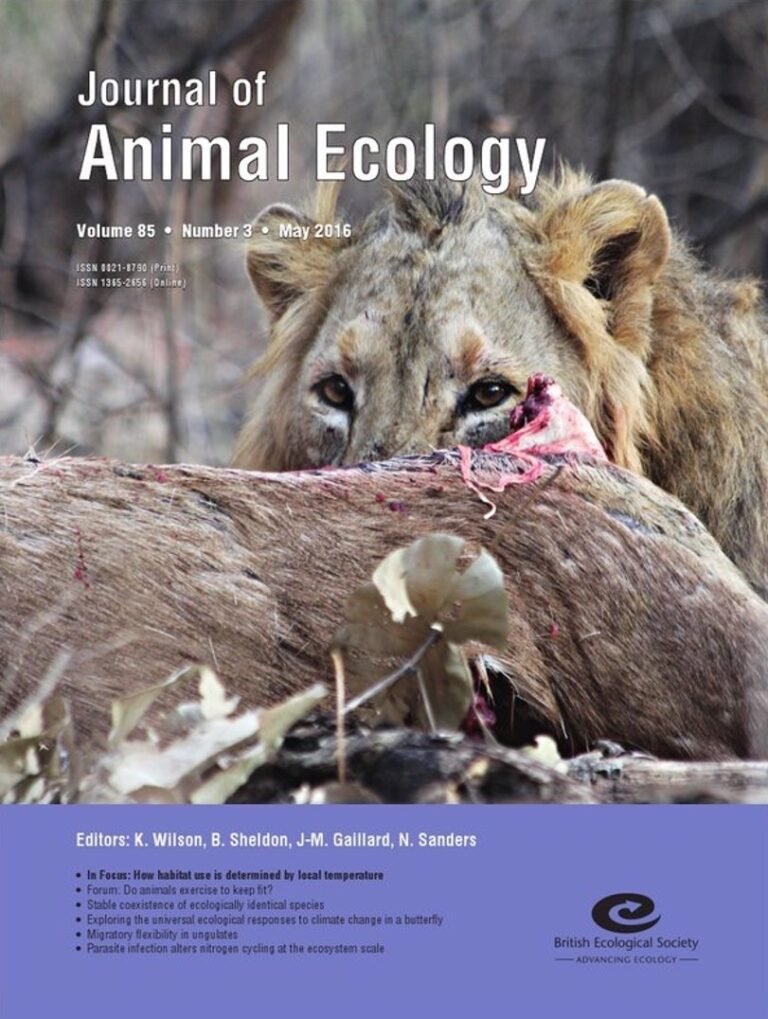
Chakrabarti S, Jhala YV, Dutta S, Qureshi Q, Kadivar RF, Rana VJ. 2016. Adding constraints to predation through allometric relation of scats to consumption. Journal of Animal Ecology.
Binder W, Rabe J, Lowe Z, Scott G, Lacey C, King E, Stahler D,Chakrabarti S. Species-specific interactions with apex carnivores yield unique benefits and burdens for mesocarnivores. Preprint.
Chakrabarti S, Munster A, Gable T et al. Non-consumptive Predation Effect of Wolves on Beavers.

Welcome to the Conservation And Behavior (CAB) Lab. Please email us to get in touch for new opportunities and positions.
Copyright © 2025 CAB. All rights reserved.